GAMIFICATION
Introduction:
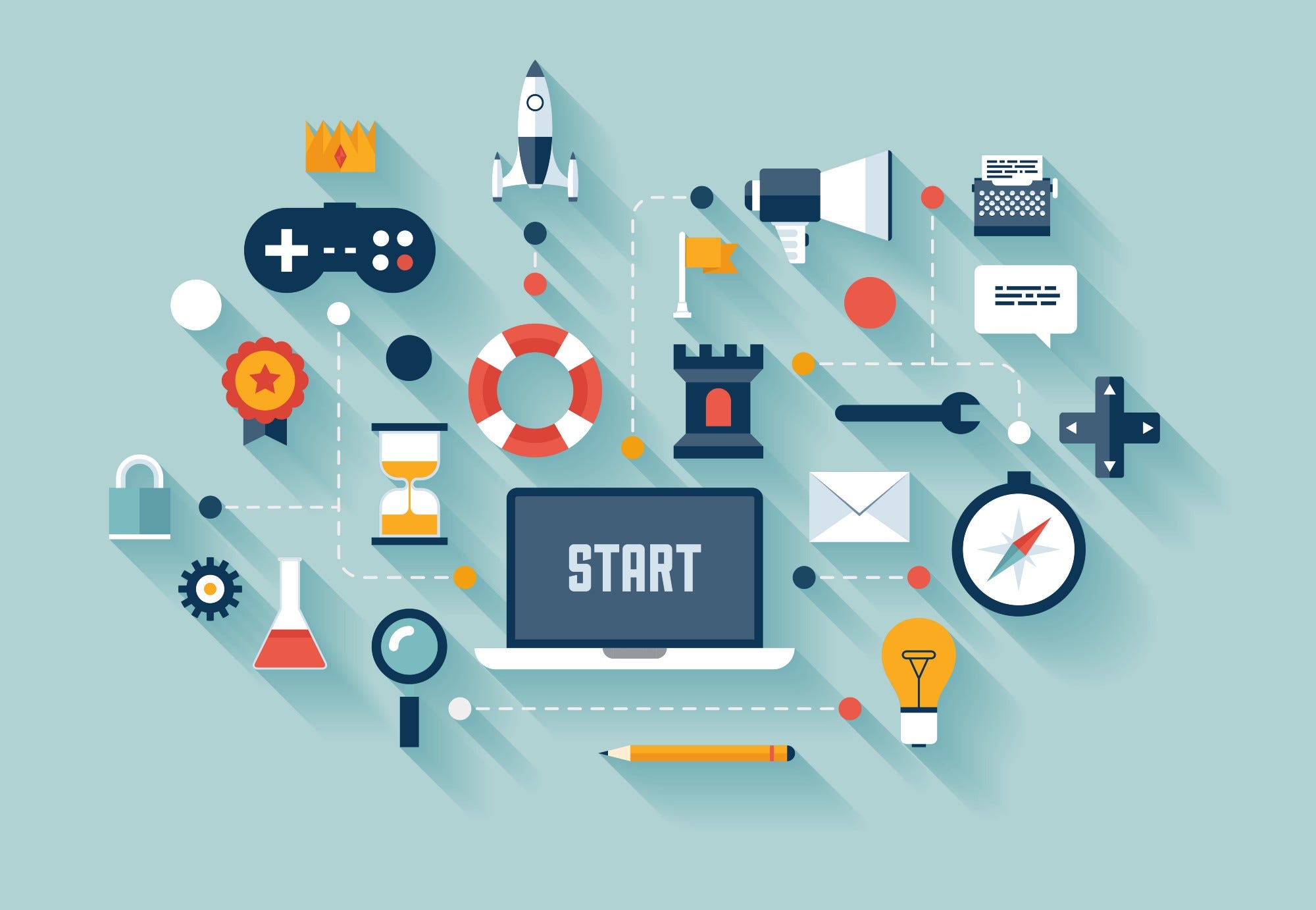
In a world where attention is a valuable currency, engaging individuals in various activities and behaviors can be a challenging endeavor. However, by tapping into the principles of gamification, we can transform mundane tasks into exciting adventures, driving motivation and participation like never before. In this blog, we explore the concept of gamification, its applications across different domains, and how it holds the key to unlocking engagement in our everyday lives.
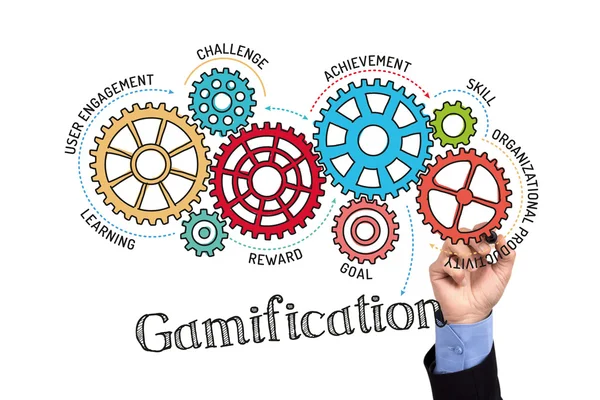
Gamification is the process of integrating game-like elements, such as points, badges, leaderboards, challenges, and rewards, into non-game contexts to enhance engagement and motivation. Unlike traditional games, which are standalone experiences, gamification adds game mechanics to existing activities, making them more interactive and enjoyable.
* Understanding Gamification:
- The concept of gamification emerged in the early 21st century as businesses and organizations sought innovative ways to engage customers, employees, and users in various activities. It draws inspiration from game design principles and behavioral psychology to create compelling experiences that drive desired behaviors.
- Evolution: Over time, gamification has evolved from simple point systems and badges to more sophisticated approaches that incorporate elements like narrative, progression systems, and social interaction. As technology has advanced, gamification has expanded into new domains and platforms, including mobile apps, social media, education, healthcare, and workplace environments.
- Points: A form of currency used to track progress and reward desired behaviors.
- Badges: Visual representations of achievements or milestones, often used to signify skill mastery or completion of tasks.
- Leaderboards: Rankings that display the performance of users relative to each other, fostering competition and social comparison.
- Challenges: Tasks or objectives that users must complete to earn rewards or advance to higher levels.
- Rewards: Incentives provided to users for achieving specific goals or demonstrating desired behaviors.
- Feedback Mechanisms: Real-time feedback that informs users of their progress, performance, and areas for improvement.
- Purpose: The primary purpose of gamification is to enhance engagement and motivation by tapping into intrinsic human desires, such as mastery, autonomy, relatedness, and purpose. By incorporating game elements into non-game contexts, gamification makes activities more enjoyable, interactive, and rewarding, leading to increased participation and satisfaction.
- Examples: Gamification is used in a wide range of applications, including:
- Education: Gamified learning platforms encourage students to actively participate in lessons, track their progress, and compete with peers.
- Marketing: Loyalty programs, reward systems, and interactive campaigns use gamification to engage customers and drive sales.
- Health and Wellness: Fitness apps, habit-forming applications, and wellness programs leverage gamification to motivate users to exercise regularly, eat healthily, and adopt positive lifestyle changes.
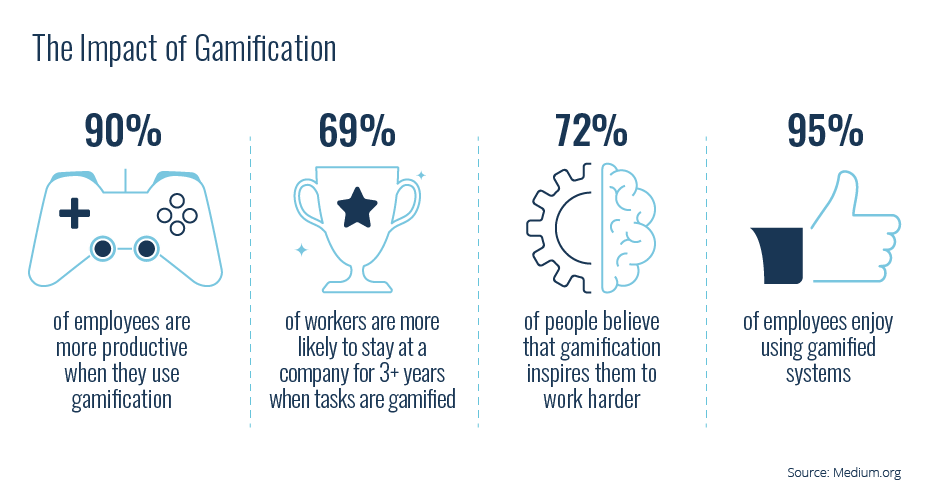
- Workplace: Employee training, productivity enhancement, and performance management initiatives incorporate gamification to make learning and work tasks more engaging and rewarding.
* The Psychology Behind Gamification:
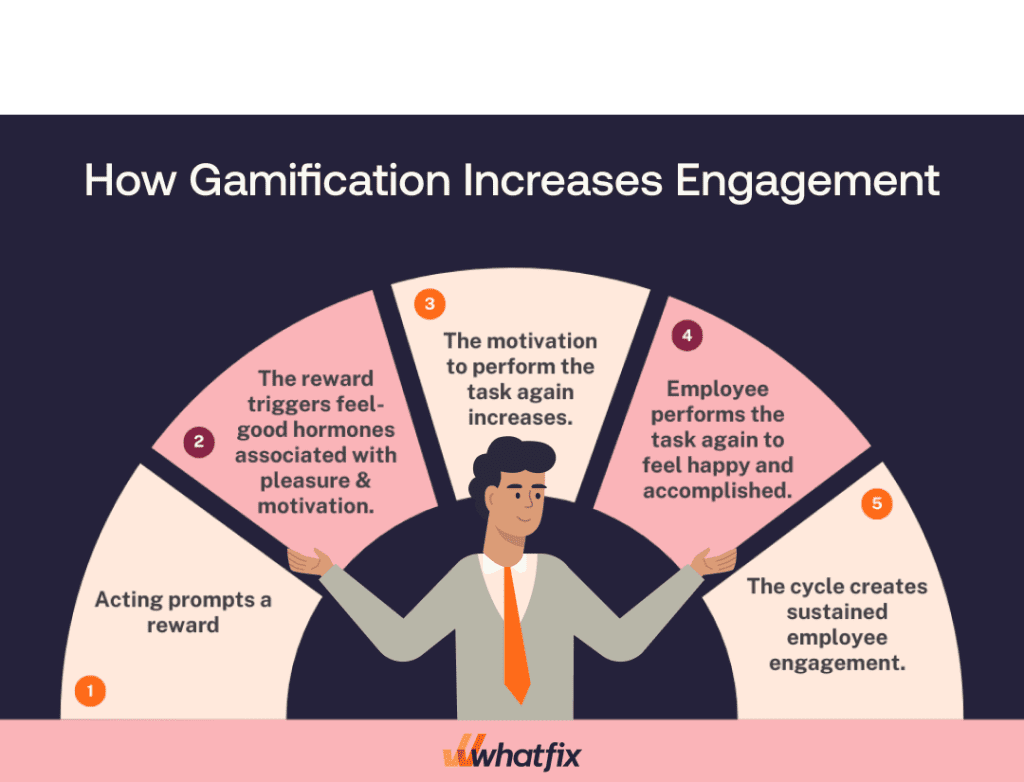
- Operant Conditioning: This psychological theory, pioneered by B.F. Skinner, posits that behaviors are influenced by the consequences that follow them. In the context of gamification, elements such as rewards (positive reinforcement), penalties (negative reinforcement), and feedback serve to shape and reinforce desired behaviors. For example, earning points or badges for completing tasks provides positive reinforcement, encouraging users to continue engaging with the activity.
- Self-Determination Theory (SDT): SDT focuses on the intrinsic motivations that drive human behavior, such as autonomy, competence, and relatedness. Gamification can tap into these intrinsic motivators by providing users with a sense of control over their actions (autonomy), opportunities to develop skills and achieve mastery (competence), and connections with others through social features like leaderboards or collaborative challenges (relatedness). By aligning gamified experiences with these fundamental human needs, they become more engaging and satisfying.
- Flow Theory: Proposed by psychologist Mihaly Csikszentmihalyi, flow is a state of complete immersion and enjoyment in an activity, characterized by intense focus, a sense of control, and a loss of self-awareness. Gamification can facilitate flow by providing clear goals, immediate feedback, and challenges that match the user's skill level. When these elements are well-balanced, users can experience a flow state, leading to heightened engagement and intrinsic motivation. For instance, a well-designed gamified learning platform might present learners with progressively challenging tasks that keep them in a state of flow as they continuously improve their skills.
- Emotional Engagement: Beyond the cognitive aspects of motivation, gamification also leverages emotions to enhance user engagement. By incorporating elements like storytelling, characters, and visual aesthetics, gamified experiences can evoke emotions such as excitement, curiosity, and empathy. Emotional engagement not only makes the experience more enjoyable but also fosters a deeper connection between the user and the activity. For example, a gamified health and fitness app might use storytelling to create a narrative arc around the user's journey towards wellness, eliciting emotions that motivate them to stick with their exercise routine.
* Applications Across Various Fields:
- Education:
- Gamification is increasingly used in education to enhance student engagement and learning outcomes.
- Learning platforms and educational apps incorporate game elements such as points, badges, and leaderboards to motivate students to participate actively.
- Gamified lessons and quizzes make learning more interactive and enjoyable, fostering a sense of accomplishment and progress.
- Teachers can track student progress and provide personalized feedback based on their performance in gamified activities.
- Examples include language learning apps like Duolingo, which use gamification to make learning a new language fun and engaging.
- Marketing:
- Gamification is a powerful tool for marketers to engage customers, drive brand loyalty, and increase sales.
- Loyalty programs and reward systems incentivize customers to make repeat purchases and engage with the brand.
- Interactive campaigns and contests encourage user participation and social sharing, increasing brand visibility and reach.
- Gamified experiences create memorable interactions with the brand, fostering positive associations and emotional connections.
- Examples include Starbucks' rewards program, which offers points for purchases and allows customers to unlock special rewards and discounts.
- Health and Wellness:
- Gamification is utilized in health and wellness to encourage healthy behaviors and motivate individuals to achieve their fitness goals.
- Fitness apps use game elements such as challenges, levels, and achievements to motivate users to exercise regularly and track their progress.
- Habit-forming applications employ gamification techniques to help users establish and maintain positive habits, such as drinking more water or getting enough sleep.
- Wellness programs in workplaces incorporate gamified challenges and competitions to promote employee health and well-being, fostering a culture of wellness.
- Examples include Fitbit, which rewards users with badges and virtual trophies for reaching activity milestones and completing challenges.
- Workplace:
- Gamification is applied in the workplace to enhance employee motivation, productivity, and job satisfaction.
- Employee training programs use gamified simulations and interactive modules to make learning more engaging and effective.
- Performance management systems incorporate gamification elements such as goal-setting, progress tracking, and rewards to motivate employees to achieve their targets.
- Collaboration tools and project management platforms employ gamification techniques to encourage teamwork, innovation, and problem-solving.
- Examples include Salesforce's Trailhead, which gamifies learning and certification for its CRM platform, and Microsoft's gamified productivity app, Microsoft Teams, which rewards users for completing tasks and collaborating with colleagues.
* Success Factors and Best Practices:
- Clear Goals and Objectives:
- Define clear goals and objectives for the gamified experience, aligning them with the desired outcomes.
- Ensure that participants understand what they need to achieve and how their actions contribute to the overall objectives.
- Understanding User Motivations:
- Conduct research to understand the motivations, preferences, and needs of the target audience.
- Design gamified experiences that resonate with users' intrinsic motivations, such as autonomy, mastery, relatedness, and purpose.
- Thoughtful Design and Mechanics:
- Design game mechanics and elements that are meaningful, engaging, and relevant to the context.
- Balance challenge and skill to maintain user interest and avoid boredom or frustration.
- Incorporate elements of progression, feedback, and rewards to create a sense of accomplishment and motivation.
- Feedback and Iteration:
- Provide timely and meaningful feedback to users on their progress, performance, and achievements.
- Continuously iterate and improve the gamified experience based on user feedback and data analytics.
- Adapt the design to address user preferences, challenges, and changing circumstances.
- Intrinsic Rewards and Extrinsic Motivation:
- Emphasize intrinsic rewards, such as a sense of accomplishment, mastery, or enjoyment, over extrinsic rewards like points or badges.
- Use extrinsic rewards judiciously to supplement intrinsic motivation and reinforce desired behaviors.
- Avoid over-reliance on extrinsic rewards, as they may undermine intrinsic motivation in the long run.
- Social Interaction and Collaboration:
- Incorporate social features such as leaderboards, challenges, and collaborative activities to foster a sense of community and competition.
- Encourage social interaction and collaboration among participants, facilitating peer support, recognition, and learning.
- Accessibility and Inclusivity:
- Ensure that the gamified experience is accessible to users of diverse backgrounds, abilities, and preferences.
- Design inclusive mechanics and interfaces that accommodate different learning styles, skill levels, and cultural norms.
- Transparency and Fairness:
- Maintain transparency in the gamification process, including the rules, criteria for earning rewards, and how user data is used.
- Ensure fairness by providing equal opportunities for participation and recognition, avoiding favoritism or bias.
- Integration with Core Activities:
- Integrate gamification seamlessly with core activities or processes, rather than treating it as a separate add-on.
- Ensure that gamified experiences complement and enhance the underlying tasks or objectives, rather than detracting from them.
- Long-Term Engagement and Sustainability:
- Design for long-term engagement by providing ongoing challenges, updates, and new content to keep users interested.
- Consider the sustainability of the gamified experience, including its scalability, maintenance requirements, and environmental impact.
* Future Trends and Innovations:
- Advancements in Technology:
- Augmented Reality (AR) and Virtual Reality (VR): The integration of AR and VR technologies into gamified experiences will provide more immersive and interactive environments, enhancing user engagement and realism.
- Wearable Devices: Wearable devices such as smartwatches and fitness trackers will play a larger role in gamification, enabling real-time tracking of physical activities and biometric data to personalize experiences.
- Internet of Things (IoT): IoT technology will enable gamification in everyday objects and environments, allowing for seamless integration of game elements into users' daily lives.
- Personalization and Adaptive Experiences:
- AI-driven Personalization: Advances in artificial intelligence (AI) and machine learning will enable gamified experiences to adapt dynamically to individual preferences, behaviors, and learning styles, providing personalized challenges and feedback.
- Context-Awareness: Gamified systems will become more context-aware, leveraging data from sensors, devices, and user interactions to tailor experiences based on the user's location, environment, and situation.
- Gamification in Emerging Domains:
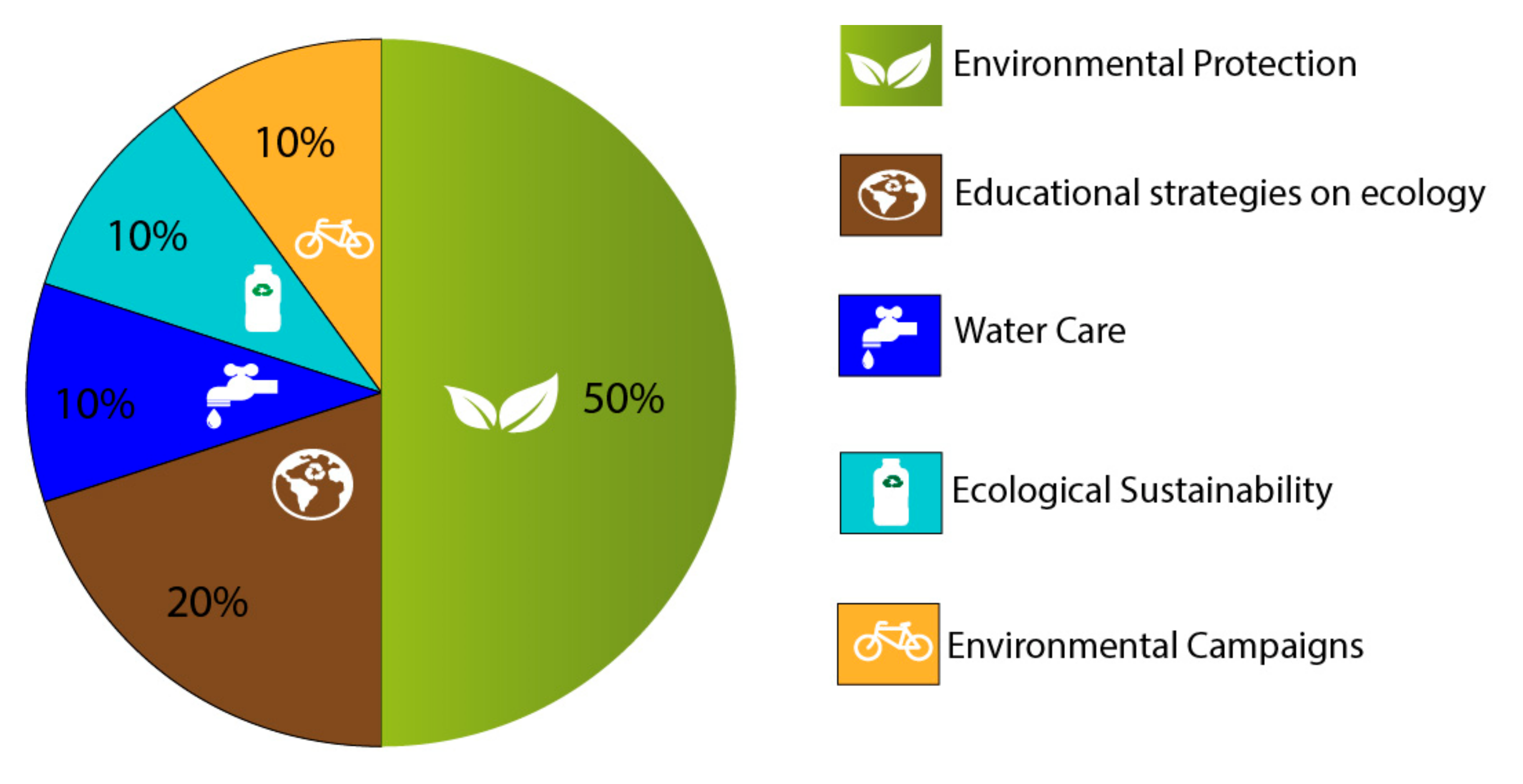
- Sustainability and Environmental Conservation: Gamification will be used to incentivize sustainable behaviors and promote environmental conservation efforts, encouraging users to reduce waste, conserve resources, and adopt eco-friendly practices.
- Health Tech and Telemedicine: Gamified health and wellness applications will continue to evolve, incorporating elements of gamification to encourage preventive care, medication adherence, and remote patient monitoring.
- Blockchain and Tokenization:
- Blockchain Technology: Blockchain technology will enable the creation of secure and transparent reward systems, allowing users to earn and trade digital assets within gamified ecosystems.
- Tokenization: Tokenization of rewards and achievements will provide users with tangible assets that can be exchanged for goods, services, or cryptocurrency, adding a new dimension to gamified experiences.
- Gamification for Social Impact:
- Civic Engagement and Social Causes: Gamification will be applied to promote civic engagement, community participation, and social causes, encouraging users to take action on issues such as climate change, poverty alleviation, and social justice.
- Education and Awareness Campaigns: Gamified educational initiatives and awareness campaigns will use storytelling and interactive experiences to educate users about important social issues and inspire positive change.

- Ethical Considerations and Regulation:
- Ethical Design Practices: There will be increased focus on ethical design practices in gamification, addressing concerns such as privacy, data security, inclusivity, and psychological well-being.
- Regulation and Standards: Governments and regulatory bodies may introduce guidelines and standards for gamification to ensure ethical and responsible use of game elements in various contexts.
Conclusion:
Comments
Post a Comment